
How innovation is shaping elderly support systems?
In today’s fast-changing world, innovation is not just a buzzword—it is transforming the way we support the elderly. Modern elderly support systems are no longer limited to traditional caregiving methods.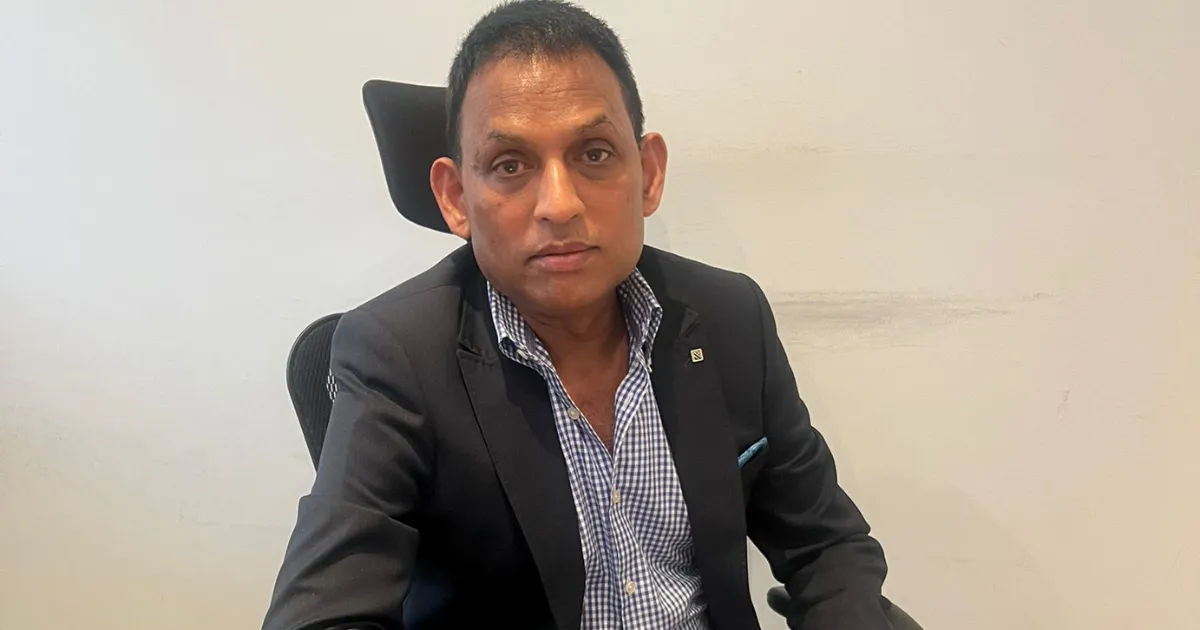
Technological advancements, creative healthcare solutions, and forward-thinking strategies are redefining care for older adults.
At the forefront of this transformation is Sheth Jeebun elderly care leadership, which emphasizes the integration of technology, personalized care, and community-driven approaches to enhance the lives of seniors.
The global elderly population is rapidly increasing, and this rise has created an urgent need for innovative solutions.
From smart homes to wearable devices, the landscape of elderly care is evolving to address both physical and emotional needs.
In this comprehensive guide, we explore how innovation is shaping elderly support systems, the role of technology, the impact on caregivers, and what the future holds.
The Growing Need for Innovation in Elderly Care
The elderly population worldwide is projected to increase dramatically in the coming decades. With this growth, traditional care models are struggling to meet the diverse needs of seniors. Many older adults live with chronic conditions, mobility limitations, and cognitive challenges, which demand more sophisticated and adaptable support systems.
Innovation in elderly care addresses several key challenges:
- Healthcare access: Seniors often face difficulties accessing timely healthcare. Innovative solutions like telemedicine bring healthcare services directly to their homes.
- Safety and mobility: Falls and accidents are major concerns. Smart devices and sensors now help monitor movements and detect emergencies.
- Emotional well-being: Loneliness and isolation are significant issues. Virtual communication platforms and social robotics help maintain social connections.
- Efficiency in care delivery: Caregivers often manage multiple patients. Innovative systems streamline care planning, monitoring, and reporting.
These challenges highlight why organizations like Sheth Jeebun are prioritizing elderly care leadership and leveraging innovation to ensure a higher quality of life for seniors.
Technological Innovations Transforming Elderly Care
Technology is the backbone of modern elderly support systems. From wearable devices to AI-powered health monitoring, innovation is enabling more proactive and personalized care.
Wearable Devices for Health Monitoring
Wearable devices, such as smartwatches and medical alert systems, are revolutionizing how seniors manage their health. These devices can track heart rate, blood pressure, sleep patterns, and even detect falls. Alerts are sent to caregivers or medical professionals immediately, allowing for timely intervention.
Wearable technology not only improves safety but also empowers older adults to take an active role in managing their health. This aligns with the approach taken by Sheth Jeebun elderly care leadership, which emphasizes proactive and continuous care through technological tools.
Smart Homes for Elderly Support
Smart home technology is another significant innovation. Homes equipped with sensors, smart lights, automated thermostats, and voice-activated assistants create safer and more comfortable living environments for seniors.
For example, motion sensors can detect unusual activity or inactivity, triggering alerts if something seems wrong. Smart appliances help reduce the risk of accidents, while voice-controlled systems assist those with mobility challenges. These technologies allow seniors to maintain independence while remaining safe.
Telehealth and Remote Care
Telehealth has emerged as a critical tool in elderly care. Through video consultations and remote monitoring, seniors can access healthcare services without leaving their homes. Telehealth reduces travel stress and ensures that chronic conditions are closely monitored.
Remote care platforms often include digital health records and real-time communication channels with doctors, enhancing both efficiency and accuracy. Organizations like Sheth Jeebun elderly care leadership are investing heavily in these technologies to improve patient outcomes.
Personalized Care Through Innovation
One of the most significant shifts in elderly care is the move toward personalization. Innovation allows caregivers to tailor care plans to the unique needs of each individual.
Data-Driven Care Plans
Using data collected from wearable devices, electronic health records, and behavioral monitoring, caregivers can create detailed and dynamic care plans. These plans adapt to changes in a senior’s health, ensuring timely interventions.
For example, if a wearable device indicates irregular heart patterns, the care plan can prioritize medical evaluation and adjust daily activity recommendations. This level of customization was not possible in traditional care models.
Cognitive and Emotional Support
Innovation also extends to mental and emotional health. Interactive apps, virtual reality experiences, and memory care games help stimulate cognitive functions and provide meaningful engagement.
Social robots are being introduced in some care settings to offer companionship, remind seniors of daily tasks, and provide gentle emotional support. These tools enhance mental well-being while reducing feelings of isolation.
Impact of Innovation on Caregivers
Innovation does not only benefit seniors; it significantly impacts caregivers as well. Tools and technologies reduce the physical and emotional burden on caregivers while enhancing care quality.
Efficient Task Management
Modern software platforms allow caregivers to manage schedules, track medication administration, and document health metrics efficiently. Automated reminders and alerts reduce human error, allowing caregivers to focus on personal interactions and emotional support.
Sheth Jeebun elderly care leadership promotes the integration of technology to support caregivers, enabling them to provide more attentive and compassionate care without being overwhelmed by administrative tasks.
Training and Skill Enhancement
Innovative systems also offer training opportunities for caregivers. Virtual simulations, online courses, and interactive training modules enhance skills in areas such as fall prevention, dementia care, and emergency response.
This investment in continuous learning ensures that caregivers are equipped to handle the complexities of modern elderly care.
Community and Social Innovations
Innovation in elderly care is not limited to technology; social and community-driven solutions play a crucial role in enhancing quality of life.
Senior Communities and Cohousing
Innovative living arrangements, such as senior cohousing and community villages, encourage social interaction and mutual support among older adults. Residents share resources, engage in group activities, and support one another, reducing feelings of isolation.
These models are being adopted by forward-thinking organizations, inspired by principles championed by Sheth Jeebun elderly care leadership, emphasizing holistic well-being beyond medical care.
Volunteer Programs and Intergenerational Activities
Community initiatives that involve volunteers, school programs, or intergenerational engagement foster meaningful connections. Seniors benefit from social interaction, while younger generations gain wisdom and life experience.
Such innovations strengthen community bonds and create a supportive environment where seniors can thrive.
Ethical Considerations in Elderly Care Innovation
While innovation brings numerous benefits, it also raises ethical considerations. Privacy, consent, and autonomy are critical aspects of implementing technology in elderly care.
- Privacy: Data collected by wearable devices and smart systems must be securely stored and managed. Seniors should be informed about what data is collected and how it is used.
- Consent: Seniors should actively participate in decisions about the technologies used in their care. Respecting autonomy is crucial.
- Balancing Technology and Human Interaction: While technology can enhance care, it cannot replace human connection. Ethical care models ensure a balance between innovation and personal attention.
Sheth Jeebun elderly care leadership emphasizes ethical use of technology, ensuring that innovation serves the well-being of seniors without compromising dignity or privacy.
The Role of Policy and Regulation
Government policies and regulations play a significant role in shaping elderly support systems. Standards for technology use, safety protocols, and caregiver training ensure that innovations are implemented responsibly.
Policies also encourage investment in research and development, supporting the creation of new tools and models for elderly care. Collaboration between public institutions and private organizations ensures innovation is sustainable and widely accessible.
Case Studies: Successful Innovation in Elderly Care
Smart Home Pilot Programs
Several countries have launched pilot programs that integrate smart home technology for seniors. These programs have demonstrated reduced emergency incidents, improved medication adherence, and enhanced overall quality of life.
For example, homes equipped with motion sensors and automated alerts have successfully prevented accidents by providing timely assistance when unusual activity is detected.
AI-Powered Health Monitoring
Artificial intelligence (AI) is increasingly being used to analyze health data from wearable devices. AI algorithms detect patterns that may indicate early signs of illness, allowing for preventive care.
These innovations illustrate how technology can be leveraged to provide proactive and personalized elderly support.
Future Trends in Elderly Support Systems
The future of elderly care is bright, with continuous innovation expanding possibilities for enhanced support.
Robotics and Automation
Advanced robotics will play a more prominent role, assisting with daily tasks, mobility, and companionship. Robotic assistants can help with lifting, feeding, and transportation, reducing caregiver workload while improving safety.
Personalized Virtual Care
Virtual reality (VR) and augmented reality (AR) will offer immersive experiences for seniors, supporting mental health, physical therapy, and social engagement. Personalized virtual care environments can simulate social interactions or travel experiences, promoting mental well-being.
Predictive Analytics
Predictive analytics will allow caregivers to anticipate health events before they occur. By analyzing historical data, AI systems can forecast potential risks such as falls, infections, or cognitive decline, enabling early intervention.
Challenges and Limitations
Despite the benefits, innovative elderly support systems face challenges:
- Cost: Advanced technologies can be expensive, limiting access for some seniors.
- Technical literacy: Older adults may struggle to use new devices or systems effectively.
- Integration: Combining new technologies with existing care models requires careful planning.
- Equity: Ensuring all seniors, regardless of socio-economic status, can benefit from innovation is essential.
Addressing these challenges is vital for creating inclusive and effective elderly care systems.
Conclusion
Innovation is reshaping elderly support systems, offering unprecedented opportunities to improve health, safety, and quality of life for older adults. From wearable technology and smart homes to AI-driven health monitoring and community-based programs, these innovations are transforming both care delivery and the overall experience of aging.
Organizations like Sheth Jeebun elderly care leadership are leading the charge, emphasizing ethical, personalized, and data-driven approaches to ensure seniors receive the best possible care. By integrating technology with human compassion, promoting caregiver training, and fostering community engagement, the future of elderly care is both hopeful and promising.
As we look forward, continuous innovation, combined with careful attention to ethical, social, and policy considerations, will be key to supporting the growing elderly population. The integration of advanced technology, personalized care, and proactive strategies will ensure that seniors live safer, healthier, and more fulfilling lives.
The era of elderly care is evolving, and innovation is at its heart—reshaping the ways we provide care, empower caregivers, and improve lives.
